Brands pay thousands of dollars, some times millions to be promoted to the mass followings of Instagram influencers. However, sometimes these deals are not all that they seem to be.
Lil Miquela is a well known Instagram blogger, with over 1.2 million followers. However, Miquela isn’t real. She doesn’t type the captions of the photos. She doesn’t eat the food she is photographed with. She doesn’t attend the music festivals she promotes. Miquela is a CGI, a computer generated character created by company BRUD, who are also behind influencer Bermuda.
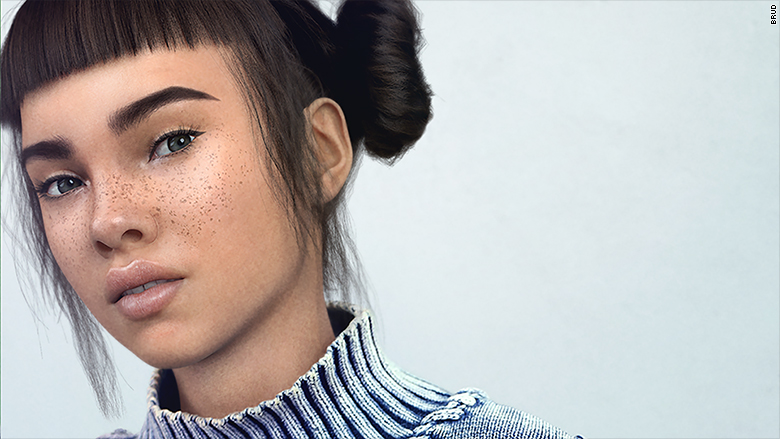
Lil Miquela – Sourced from Instagram
As consumers, you may feel tricked, betrayed or lied to if you purchased the products endorsed by her. But what’s the difference between her recommendations and those of other online stars who promote products they too probably haven’t tried. With social media growing and technology becoming increasingly complex, the difference is deception. Lil Miquela and BRUD intentionally aimed to mislead consumers in who they thought they were trusting.
However, as a company these CGI influencers are perfect. They cannot be caught up in scandals like other beauty gurus (eg. Laura Lee’s racism scandal). These models are a safer option for companies to promote and pay to sponsor their products.
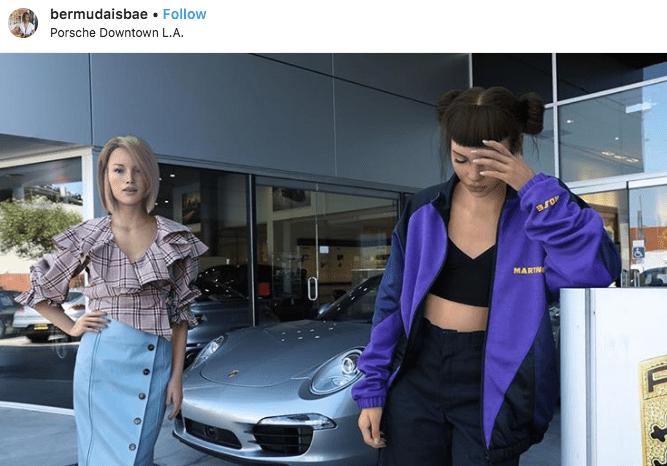
Bermuda and Miquela at Porsche – Sourced from Instagram
However, if these accounts are hacked it could do incredible damage to the brands associated with them. Furthermore, there may be back lash from consumers; who may prefer businesses support real influencers who at least have the chance to try the product.
Low risk avatars are seemingly a great idea, and safer for businesses, would you as a marketer sponsor an avatar over a real life influencer? Or do you find it kind of weird how life like the new version of the Sims is
Until next time,
-Lawra
 Modern Marketing
Will these CGI creations continue to wield influence over consumers when the tactic is repeated ad nauseam? It seems they are only effective at present due to the novelty factor.
LikeLike
Totally agree!! Just like most trends they get old pretty fast
LikeLike
Hi Lawra, interesting post!! I had no idea such accounts even existed. Personally I wouldn’t sponsor an avatar because I don’t think it would be as effective as sponsoring a real person. This is because I wouldn’t trust an avatar on where to eat or go. Kinda creepy that an account like this even exists and people actually trust them.
LikeLike
I know! They’re so life like that when just scrolling through you could be easily misled
LikeLike
Hey Lawra, interesting read! I personally don’t purchase goods because a certain influencer uses it or because they’re sponsored by the brand. Regardless, I think with much of our time being invested into technology and social media, it’s really important to have that human touch, and keep it as actual people and not avatars – it just adds that element of trust and honesty to what is being marketed!
LikeLike
Couldn’t agree more!! You can’t trust something that isn’t real to give you food recommendations
LikeLike
Really strange way to advertise things. Feel like this would push people away from the brands that they advertise, if they were tricked by the real looking but fake accounts. For those who know, they would surely be unlikely to be swayed by what is basically a fake account.
LikeLike
Thanks Darcy!! It’s almost scary how companies come up with these tactics
LikeLike
Hi Lawra!
I tend to agree with Kristel that this kind of technology is novel now, but has the potential to wear thin very quickly. When it comes to these CGI influencers, I think that it’s not so much about trust as it is about the ‘cool robot instagram’. I mean, from her Instagram profile, it doesn’t seem like they try to hide the fact that Lil Miquela is a robot. I think that there will always be a place for trust to be built between consumers and brands with real human connection that will outlast these fads.
Thanks for the interesting post!
LikeLike
Thanks for the input Kate!! I agree with you that they don’t try to hide it, but they didn’t explicitly state it to viewers. There’s not a lot of trust there
LikeLike
Interesting post! I actually think that having a CGI personality on social media platforms who are promoting things strips away the human/real life connection aspect of it, so it might not be as effective for certain brands.
LikeLike
I agree with you!! Really like your perspective Juliana
LikeLike
Love this post Lawra! I have none about Lil Miquela and all the talk that surrounds this account however I’ve never followed it myself. I’ve always viewed it as more of a novelty and although it’s a different way of creating the social media influencer, I would be less inclined to purchase anything that is promoted on her Instagram.
LikeLike
Thanks so much Sophie! I agree that id be way less trusting of a fake account, and I think consumers are almost being misled by the companies behind these CGI accounts
LikeLiked by 1 person
Hey Lawra! Really interesting read, I did not know such a thing existed! It’s scary to think how much the industry of social media has changed. With the 1.2million followers ‘she’ has, I’m not surprise if there are people actually purchasing something she promoted, despite not actually trying it. Personally, I think a real-life influencer would still be the way to go! I think consumers would still rely on someone who has personally tried to product.
LikeLike
Hey Natasha!! Your comment is so true, it’s almost fraudulent if people are unaware it’s not a real person behind the username. Definetly agree that although traditional influencers aren’t always 100% honest, they are far better than a CGI character
LikeLike